


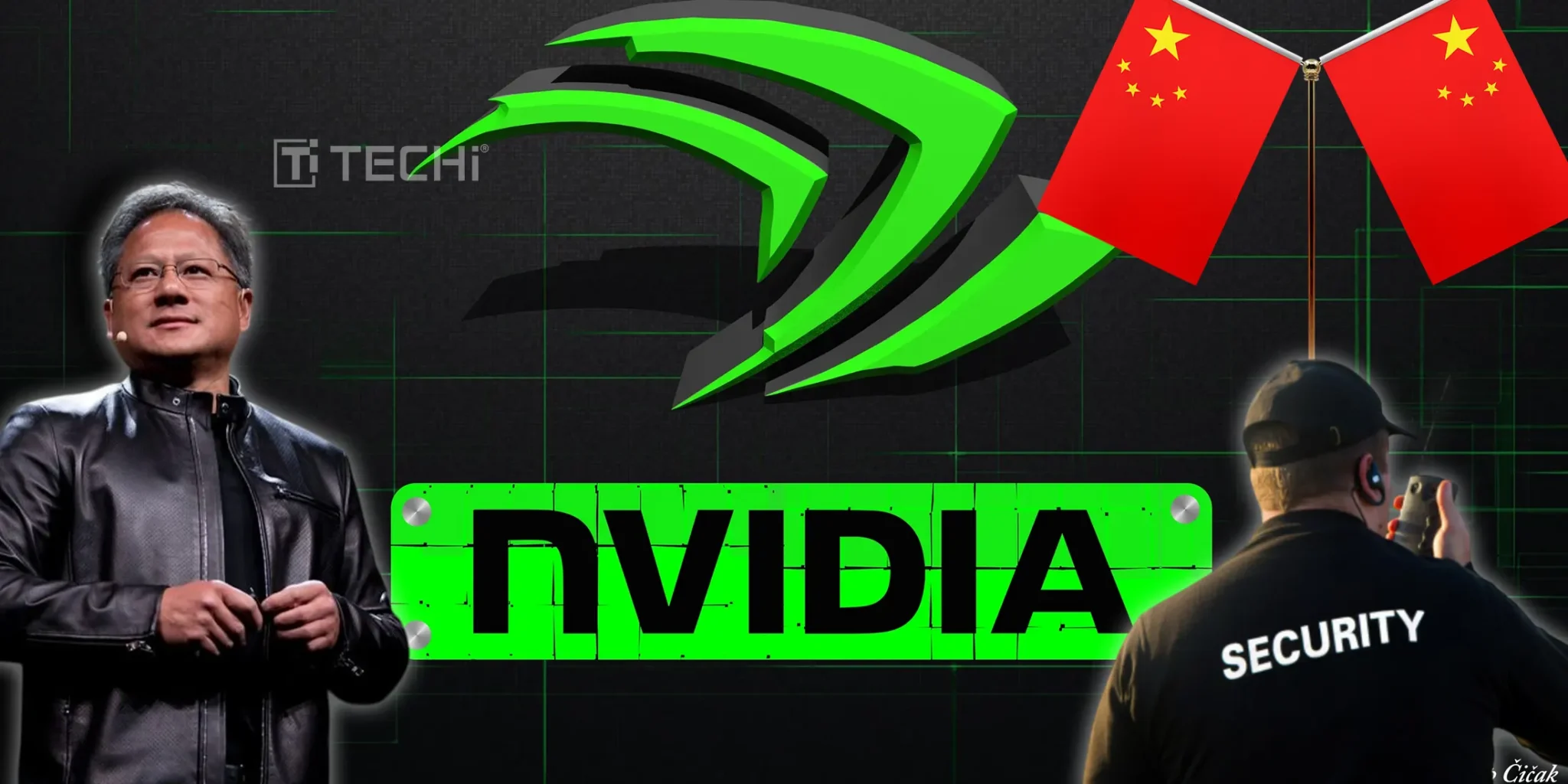
Nvidia, the American-based GPU-accelerated computing company, which is one of the biggest exporters of AI chips to China, has been summoned by the Chinese authorities for their security concerns over the company's H20 AI chips.
The investigation centers on allegations that the chips contain hidden vulnerabilities enabling remote tracking and control.
Security Allegations
Chinese regulators have raised concerns over Nvidia’s H20 chips, exclusively designed for the Chinese market. The allegations are pretty serious, including remote tracking, location identification, and potential shutdown of devices.
These concerns reportedly stem from information provided by US AI experts, suggesting the chips include advanced surveillance features that could compromise Chinese data security.
China’s cyberspace administration, has asked Nvidia to lay down a comprehensive documented explanation addressing all of these concerns and proving that the said chips pose no security threats to Chinese users or infrastructure. This scrutiny comes despite the US recently lifting export bans, allowing Nvidia to resume sales in China's lucrative AI market.
Nvidia Denies Backdoor Claims
Nvidia has staunchly denied these allegations and went on to stating that the new product carry no such functionalities and emphasized cybersecurity as a fundamental priority, asserting that no backdoors exist in their hardware design.
Quite interestingly, Nvidia’s CEO, Jensen Huang recently paid a visit to China to stress on the company’s commitment and loyalty to Chinese markets.
Geopolitical Stakes Intensify Tech Rivalry
Technology is more than progress, development, or business now, neither the USA nor China now view it as such. It's a crucial factor in national security and intelligence. Both the superpowers see semiconductor technology through national security lenses.
Proposed US legislation like the Chip Security Act seeks to mandate location verification features on exported semiconductors, while China grows more suspicious of potential surveillance capabilities in foreign technology.
In this context, Nvidia finds itself between the rock and the hard place as on one hand its biggest buyer, China, seems skeptical of their product, raising allegations that it would be a make or break for their partnership.
On the other hand there are the US lawmakers worried about technology transfer boosting Chinese AI capabilities. That too when Nvidia is already steering through an ongoing Chinese antitrust investigation related to previous acquisitions.
This dispute is extremely consequential given a heightened demand for the H20 chips by Chinese research organizations, universities, and tech firms. But analysts expect China to play it cool owing to its over dependence on Nvidia’s technology and lack of alternatives as of now.
Disclaimer
This article is for informational purposes only and does not constitute financial, investment, tax, or legal advice. Market data, tax rules, and prices can change after the article date. TECHi and its authors may hold positions in securities or digital assets mentioned. Always conduct your own research and consult a licensed financial, tax, or legal professional before making decisions.
About the Author

Qaiser Sultan writes about AI risk, crypto prices and online economies. He has covered Anthropic raising its misalignment risk label after cyber disclosures, how the Ether price looks after a brutal first half and how Roblox's Limited collectibles became real money, and he contributes to TECHi's Two Takes.

Comments