



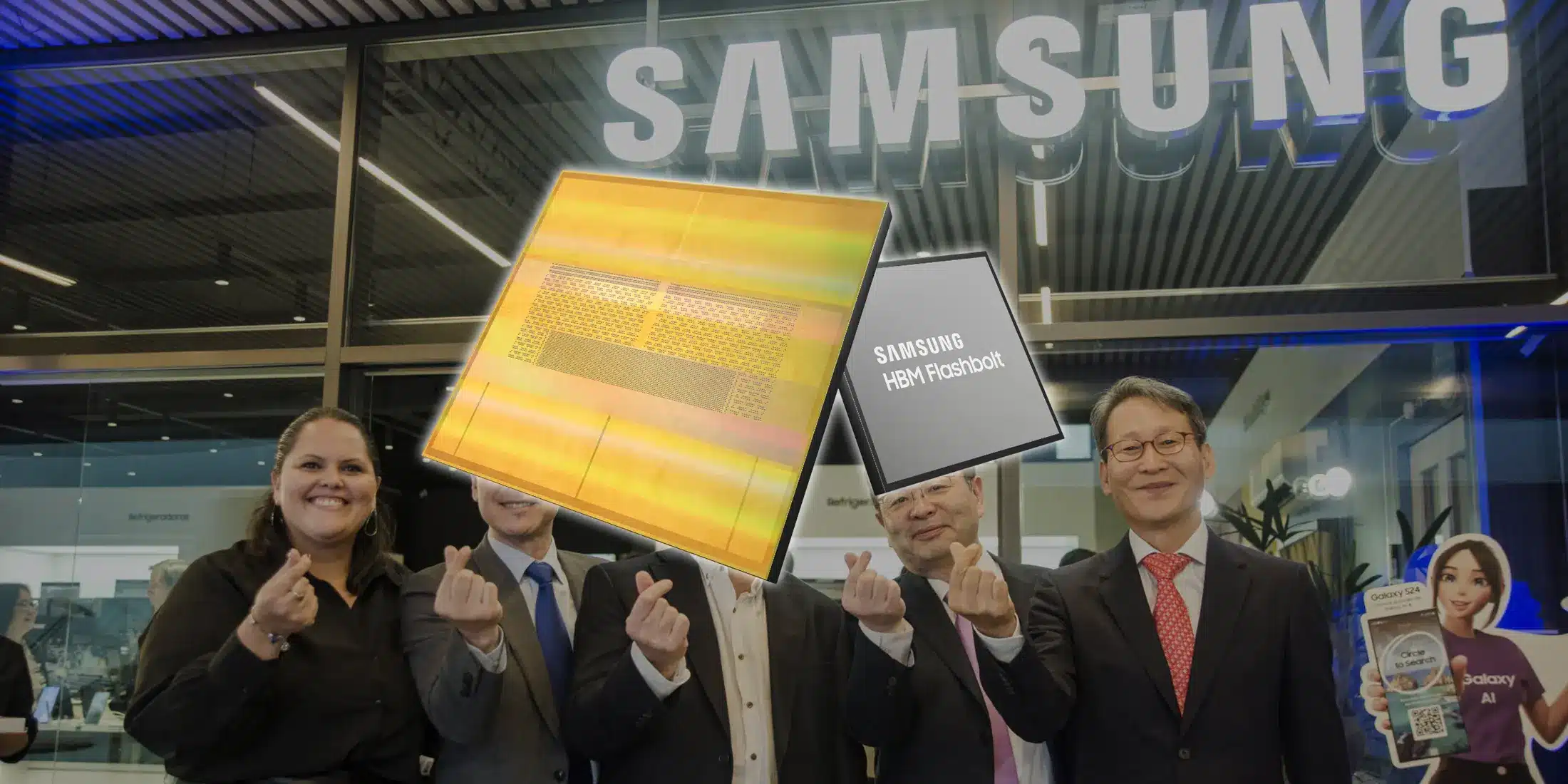
Samsung Electronics is making a big comeback in the highly competitive market of high-bandwidth memory (HBM) whose clientele is singing high praise on its upcoming HBM4 chips as a ground-breaker.
On 2 January 2026, co-CEO Jun Young-hyun made the statement, Samsung is back, in a New Year speech, highlighting the fact that the company has been repositioned strategically as it explores ways to collaborate with AI titan Nvidia as it attempts to gain an advantage over its rivals, including SK Hynix.
HBM Market Shakeup
Counterpoint Research found that SK Hynix led the third quarter of 2025 with 56% of HBM revenue, followed by Samsung at 23% and Micron at 21%.
However, Samsung has competed with HBM4, which is specially designed to support both artificial intelligence and high-performance computing, and has thus changed the industry.
Its advantageous speed and energy consumption have pleased consumers and the Samsung shares have shot up by 7.2% on 2 January, bypassing KOSPI by 2.3% and breaking new highs in intraday performance.
By comparison, SK Hynix had a growth rate of 4% but the CEO Kwak Noh-Jung had pointed out that the next 2026 cycle would result in greater headwinds, terming AI demand as a normalcy and not a shock.
Samsung's Jun said recent supply deals with major global customers had left the foundry business "primed for a great leap forward."
Foundry Surge and Headwinds
In July 2025, Samsung foundry division will undergo a leap forward as a result of a Tesla supply deal worth $16.5b signed.
However, as co-CEO TM Roh points out, there is a background of risk as another factor with the cost of components increasing and the world facing tariff pressure; he pledged to undertake strategic change within the supply chain to avoid any disruption.
In the future, industry analysts believe that Samsung can grow its market share of HBM via the H1 2026 ramp-up of HBM4, which could steal the market dominance of SK Hynix in view of the current global AI infrastructure projected by Gartner at $2 trillion.
The ultimate impact of massive capital investment will either make Samsung continue its pace or face fresh pressures by tariffs.
Disclaimer
This article is for informational purposes only and does not constitute financial, investment, tax, or legal advice. Market data, tax rules, and prices can change after the article date. TECHi and its authors may hold positions in securities or digital assets mentioned. Always conduct your own research and consult a licensed financial, tax, or legal professional before making decisions.
About the Author

Warisha Rashid covers AI stocks and crypto markets for TECHi. Recent work explains what changed when Worldcoin cut its WLD token unlock, how AMD's rack-scale Helios design fits an asset-light strategy, and how Nvidia, Alphabet, Palantir, AMD and Broadcom compare as AI businesses.
Comments