

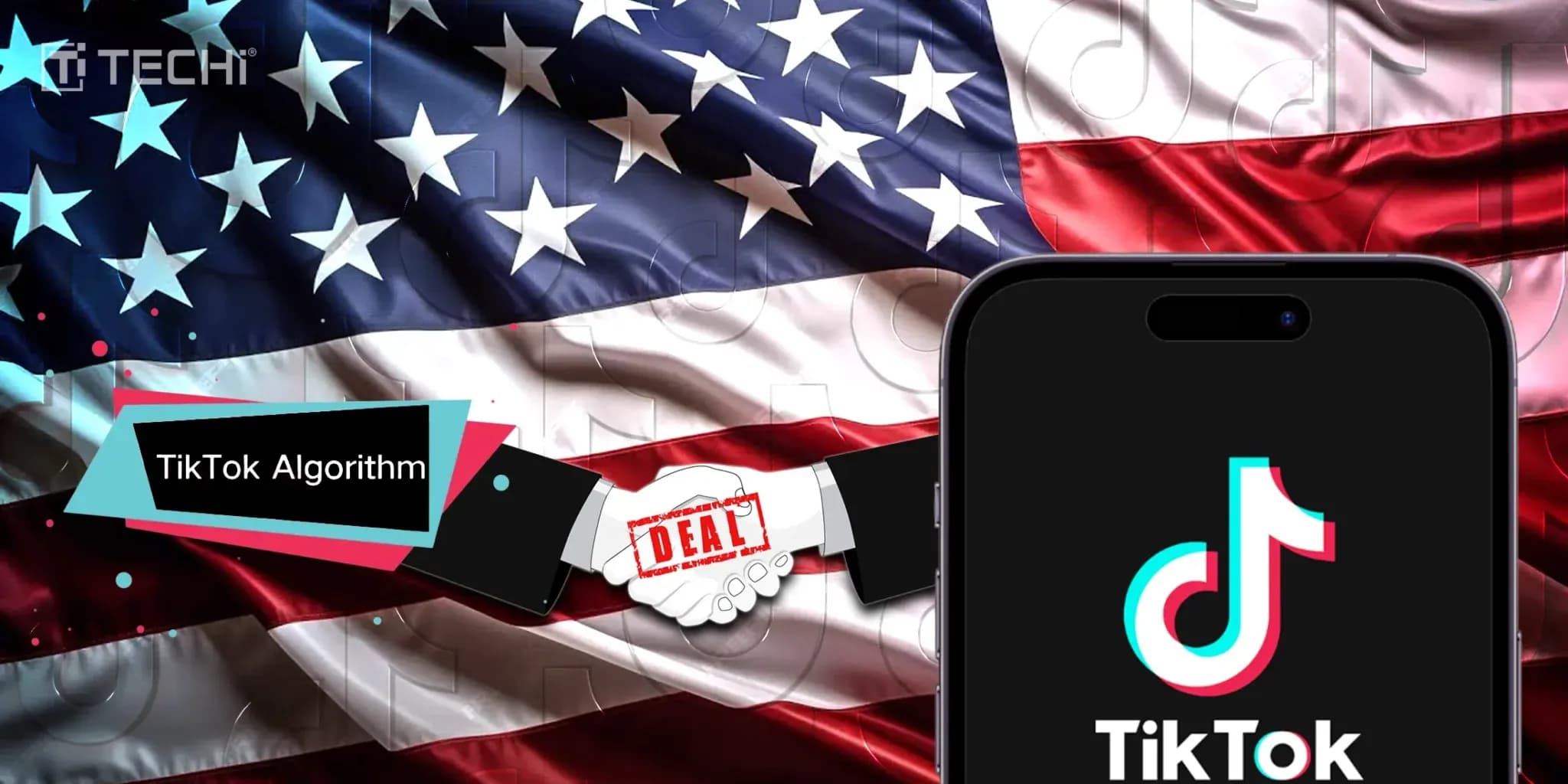
China has conditionally supported the need of the United States to transfer the control over American activities of TikTok on the basis of the agreement with its domestic regulatory system.
In opposition to the actions by ByteDance to prevent the ban that might happen extremely soon, the Ministry of Commerce is trying to balance the conflicting interests under the increasing technological and geopolitical strains.
Deal Sparks Optimism on Growing Tech Tensions
On 18 December 2025, ByteDance signed binding agreements to sell its activities in America to a group of investors led by Oracle.
The deal was a success after many years of speculation and mounting pressure by U.S legislators who argued that national security was threatened by ByteDance's Chinese ownership and governance structure.
According to a press conference by the spokesperson of the ministry of commerce, He Yongqian,
"It is hoped that the U.S. side will work with China in the same direction, earnestly fulfill its corresponding commitments, provide a fair, open, transparent and non-discriminatory business environment for the continuous and stable operation of Chinese enterprises in the U.S.,"
Analyzing the High Stakes
The contractual structure finds a lot of reflection in elements to be established during September 2025, when President Donald Trump had delayed the law enforcement act that would have banned Tik Tok unless its Chinese owners sold its American assets.
The delay was to give time to negotiate to remediate the American operations of Tik Tok to be separated from its global platform.
If the deal closes, TikTok's U.S. operations would pass to American-controlled management, with the prospect of contributing to the cloud infrastructure division of Oracle since it will have increased its data-hosting as well as enterprise service offerings.
On the contrary, a failure to complete the divestiture would deepen fragmentation in the digital application marketplace, resulting in the disruption of the content creators, advertisers, and users.
The attitude of Beijing implies a rough calming down of tensions, but the events that are going to unfold in the U.S. elections might once more subject geopolitical confrontations to the challenges.
A practical tradeoff, though, may allow to rearrange the principles of technological collaboration on a global level in a more fragmented online environment.

Disclaimer
This article is for informational purposes only and does not constitute financial, investment, tax, or legal advice. Market data, tax rules, and prices can change after the article date. TECHi and its authors may hold positions in securities or digital assets mentioned. Always conduct your own research and consult a licensed financial, tax, or legal professional before making decisions.



Comments