




The 10-year Treasury yield rose above 5% on Tuesday morning and touched 5.04%, its highest level since 2007, as oil near $106 a barrel and a Federal Reserve rate increase priced for Wednesday pushed the benchmark borrowing cost to a level the AI build-out has never been financed against. The yield stood at 5.00% at 8:01 a.m. ET, up about 4 basis points, after an overnight high of 5.041%, according to CNBC market data. The Treasury Department's official close on Monday was 4.97%, one hundredth of a point below the 4.98% close of Oct. 19, 2023, and the 10-year has not closed at or above 5% since July 19, 2007.
That is a number the stock market can absorb for a morning. It is a harder number for the companies that spent 2026 borrowing to build data centers. Amazon, Alphabet, Meta and Oracle sold $194 billion of bonds through July 7, 79% more than in all of 2025, and Goldman Sachs expects the five largest cloud companies to borrow about $250 billion this year and $400 billion next. Every one of those bonds is priced as a spread over Treasuries, and the Treasury part of the price is up a full percentage point since February.
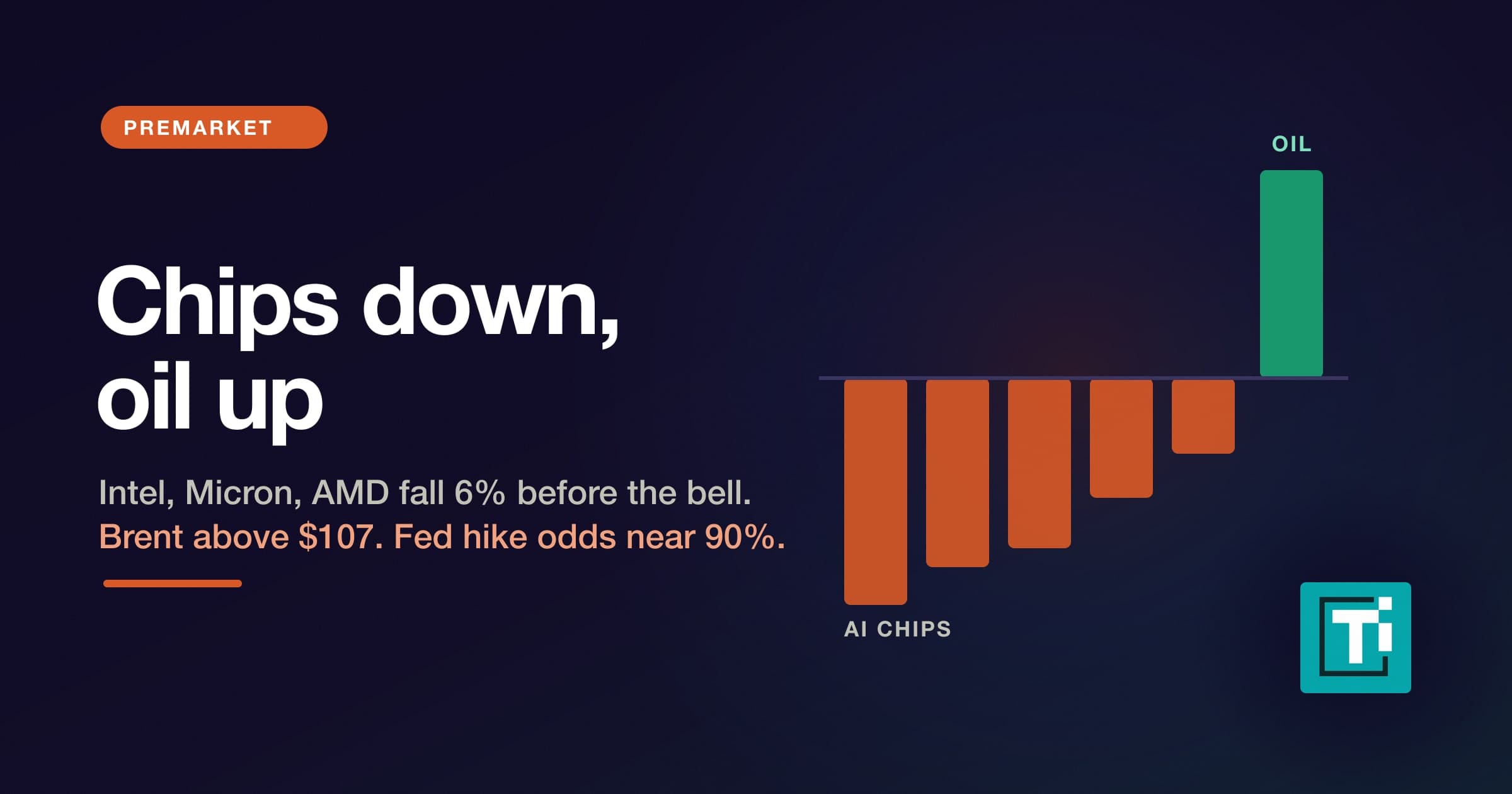
S&P 500 futures were down 0.15% and Nasdaq 100 futures 0.10% at 7:51 a.m. ET, per CNBC data, after trading down about 0.5% earlier in the session. Microsoft and Alphabet were each about 0.9% lower before the bell on Nasdaq.com quotes.
- The levelThe 10-year Treasury yield touched 5.04% early Tuesday, its highest since 2007, and stood at 5.00% at 8:01 a.m. ET; it has not closed at or above 5% since July 19, 2007.
- The causeBrent crude above $105, August consumer prices up 3.4% from a year earlier and a 92% chance of a Fed hike on Wednesday, which would be the first since July 2023.
- The AI billAmazon, Alphabet, Meta and Oracle sold $194 billion of bonds through July 7, and Goldman Sachs expects the five biggest hyperscalers to borrow about $400 billion in 2027; each point on the 10-year adds about $1 billion a year per $100 billion borrowed.
- Where it bites firstOracle carries about $125.3 billion of borrowings and its quarterly interest bill rose 55% to $1.43 billion; CoreWeave paid $640 million of net interest in the second quarter against a $49 million operating loss, mostly on unhedged floating-rate debt.
- Next testWhether the 10-year closes above 5% on Tuesday, and how many hikes the Fed signals on Wednesday.
Why the 10-year Treasury yield hit 5%: oil, August inflation and a Fed hike priced at 92%
The move started overnight. The 10-year yield hit 5.0286%, up 6.76 basis points and its highest since 2007, as Brent crude rose more than 2% to $108.06 and traders priced a 92% chance of a Federal Reserve rate increase on Wednesday, Reuters reported early Tuesday. Consumer prices accelerated in August, and a key measure of underlying inflation posted its largest increase in four months, the report said. Brent had eased to $105.98 by 7:51 a.m. ET after a high of $108.43, per CNBC data.
Inflation is the reason a hike is on the table at all. The consumer price index rose 3.4% from a year earlier in August, and a quarter-point increase would lift the federal funds target range to 3.75% to 4%, the Fed's first hike since July 2023, CBS News reported. Energy is doing much of the work: West Texas Intermediate crude near $100 and the risk of a prolonged supply disruption from the Middle East war are feeding "hot inflation expectations," and the Fed is expected to "break its five-meetings hold," FXStreet wrote.
The pressure is not only American. Japan's 10-year government bond yield rose above 3% for the first time in three decades, and Germany's 10-year traded near 3.55%, Al Jazeera reported. A Bloomberg gauge of global government debt yields reached 3.72% on Sept. 1, its highest since mid-2008, Bloomberg reported. "The bond market is not imploding, but it's sending a very clear memo that stickier inflation means higher for longer policy rates as the absolute minimum," TD Securities strategist Prashant Newnaha said in that report.
The long end moved first. The 30-year Treasury yield was 5.37% at 8:01 a.m. ET after touching 5.40%, per CNBC data, and its official close on Sept. 10 was already 5.37%, above the 5.35% peak it reached in June 2007, according to Treasury's daily yield curve data.

What a 5% 10-year yield costs AI borrowers
The AI build-out moved into the bond market this year, and the bond market has been raising its price. Amazon, Alphabet, Meta and Oracle issued about $194 billion of bonds in 2026 through July 7, up 79% from roughly $108 billion in all of 2025, Reuters reported in July, and Goldman Sachs projected issuance from the five largest hyperscalers, including Microsoft, of about $250 billion in 2026 and $400 billion in 2027. Investors were already asking for more. New-issue spreads on the four companies' bonds of 20 years or longer averaged 118 basis points over Treasuries, up from 108.5 in 2025, and 78 of the 91 hyperscaler bonds issued in 2026 were trading at yields about 22 basis points above where they were sold. Apollo Global Management counted order books falling from nearly five times the size of the deals in February to less than twice in July. "We're already seeing fatigue within credit markets in supporting this massive debt issuance," Brown Advisory's Colby Stilson said.
Put the two moves together. A long-dated hyperscaler bond priced at that 118-basis-point spread over a long Treasury yielding about 5.37% would pay roughly 6.55%, by TECHi's arithmetic. The 10-year has risen from its 2026 closing low of 3.97% on Feb. 27 to about 5%, a point higher, per Treasury data and CNBC. At that difference, every $100 billion of new borrowing costs about $1 billion a year more in interest than it would have in February, and Goldman's $400 billion estimate for 2027 carries about $4 billion a year more, before any change in spreads.
Those are large numbers against a small base of patience. The biggest cloud companies generate enough cash to carry it. The smaller builders, and the one large one that has stretched its balance sheet furthest, are where a 5% yield shows up in the income statement first.
Oracle and CoreWeave: where higher rates hit first
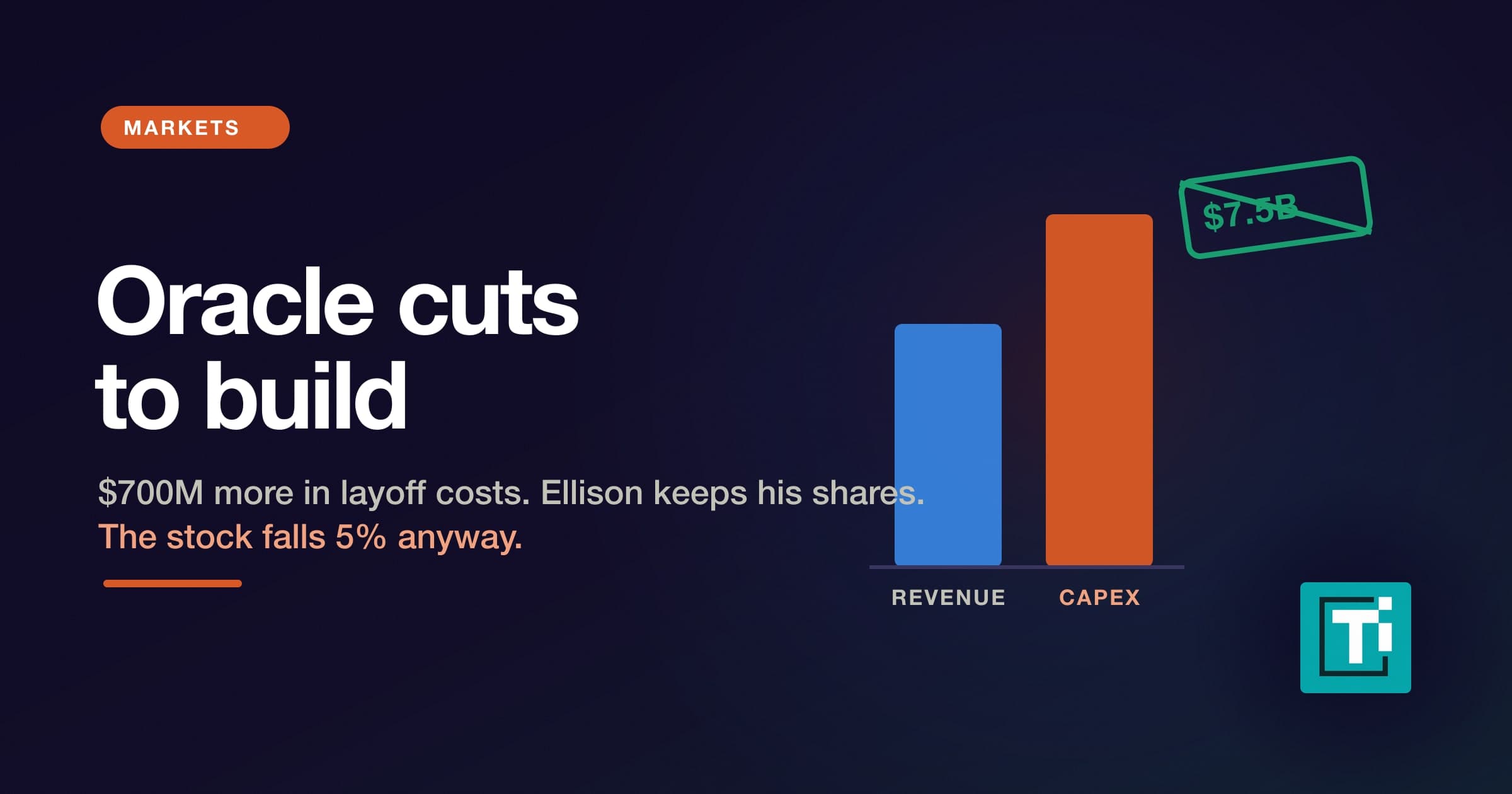
Oracle is the largest borrower among the companies building AI capacity for others. Its notes payable and other borrowings totaled about $125.3 billion on Aug. 31, $7.6 billion of it due within a year, and its interest expense rose 55% to $1.43 billion in the quarter from $923 million a year earlier, according to its quarterly filing. The same filing shows $19.9 billion of net proceeds from an at-the-market stock sale in the quarter, which is how Oracle has chosen to fund part of the gap without adding debt; TECHi covered that $20 billion equity reversal when the results came out and the layoff costs and Larry Ellison's cancelled share sale on Monday. Oracle traded at $143.78, down 0.7%, before Tuesday's open on Nasdaq.com quotes.
CoreWeave is where the rate sensitivity is written out plainly. The GPU cloud provider had $35.6 billion of total debt principal on June 30, paid $592 million of contractual interest in the second quarter, up from $250 million a year earlier, and reported net interest expense of $640 million against an operating loss of $49 million, according to its 10-Q. Its unsecured notes carry coupons of 9% to 9.75%. "The majority of the debt under our Credit Facilities bears interest at variable rates, the majority of which is unhedged," the filing says, and "if interest rates associated with our floating rate debt (e.g., SOFR) increase, our debt service obligations on our Credit Facilities would increase even though the amount borrowed remained the same."
Two lines in that filing connect directly to this week. SOFR, the benchmark on the floating-rate loans, moves with the federal funds rate, so a Fed hike on Wednesday lifts CoreWeave's floating interest bill without a new dollar borrowed. And the fixed-rate portion of its $8.5 billion DDTL 4.0 facility is priced at "2.00% per annum plus a blended rate based upon the applicable United States Treasury securities" at the time of each draw, which means Tuesday's Treasury yields set the price of the next one. CoreWeave rose 0.7% to $83.57 premarket after falling 6.75% on Monday; TECHi's CoreWeave quote page tracks the stock.
Why tech stocks fall when the 10-year yield rises
Rates hit growth stocks through the discount rate. A company valued on profits expected years from now is worth less when a risk-free Treasury pays 5% in the meantime, and the largest technology companies are, by market value, the longest-dated assets in the index. That is why Microsoft and Alphabet, which rose 2% and 3.2% on Monday as investors bought the companies that would save money if AI spending slowed, were giving some of it back before Tuesday's open while Nvidia edged up 0.7%. "The AI genie is not going to be put back in the bottle," Laffer Tengler Investments chief executive Nancy Tengler told Reuters.
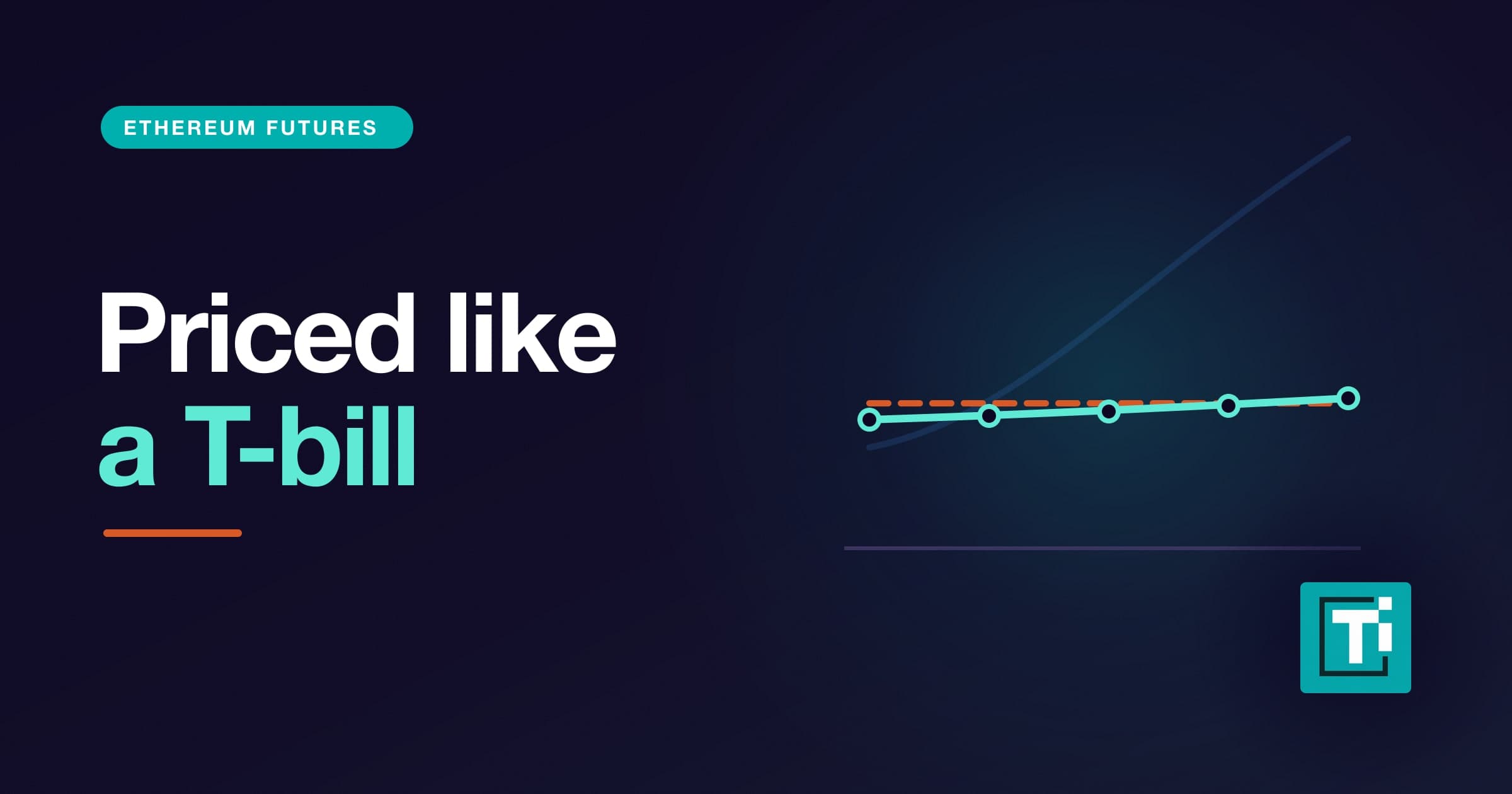
The same math reaches assets that pay nothing at all. Bitcoin traded at $76,885, down 1.1% over 24 hours, per CoinGecko, and December gold futures fell 0.6% to $4,324.80, per CNBC data, as a 5% Treasury raised the cost of holding either. TECHi tracks both on its bitcoin price and gold price pages, and has argued that ETH futures now pay a Treasury-bill rate, which is exactly the rate that is rising.
What happens next for the 10-year yield: the Fed on Wednesday
The first test is the close. A 10-year close at or above 5% would be the first since July 19, 2007, and a close above 5.26% would pass that year's peak of June 12, 2007, per Treasury data. The second is the Fed's decision on Wednesday afternoon, where a quarter-point hike is priced in and the question for bond traders is how many more follow; FXStreet's framing of a Fed ending a five-meeting hold means the path, not the first step, will move the long end. The third is the Senate's procedural vote on the crypto market-structure bill, which TECHi previewed as the CLARITY Act's cloture test and which is scheduled for Tuesday.
For the AI trade, the number that matters is not Wednesday's quarter point. It is the $400 billion Goldman expects the biggest cloud companies to borrow in 2027, priced off a Treasury curve that has just returned to 2007. At 4% that was a financing plan. At 5%, with order books already thinner, it is a line item every investor in the build-out will now be asked to underwrite.
FAQ
Frequently asked questions
Why is the 10-year Treasury yield rising on Sept. 15, 2026?
The 10-year yield rose above 5% as Brent crude traded above $105 a barrel, August consumer prices rose 3.4% from a year earlier, and traders priced a 92% chance that the Federal Reserve raises rates on Wednesday, Sept. 16, according to Reuters and CBS News. Higher expected inflation and a higher path for the Fed's policy rate push longer-term yields up.
Is the 10-year Treasury yield at its highest since 2007?
Yes, on an intraday basis. The yield touched 5.041% early on Sept. 15, 2026, per CNBC market data, above the 2023 peak. The official Treasury close on Sept. 14 was 4.97%, just below the 4.98% close of Oct. 19, 2023. The last close at or above 5% was 5.04% on July 19, 2007, and the 2007 closing peak was 5.26% on June 12, per Treasury data.
When is the Fed meeting, and is a rate hike expected?
The Federal Reserve announces its decision on Wednesday, Sept. 16, 2026. Traders priced about a 92% chance of a quarter-point increase, which would lift the federal funds target range to 3.75% to 4% and be the first hike since July 2023, according to Reuters and CBS News.
How do higher Treasury yields affect tech and AI stocks?
Higher yields lower the present value of profits expected far in the future, which weighs on richly valued growth stocks, and they raise the cost of new debt. AI builders that borrow heavily feel it directly: Oracle's quarterly interest expense rose 55% to $1.43 billion, and CoreWeave's second-quarter net interest expense of $640 million exceeded its operating loss of $49 million, with most of its credit-facility debt at unhedged floating rates, according to their SEC filings.
How much debt have AI hyperscalers issued in 2026?
Amazon, Alphabet, Meta and Oracle issued about $194 billion of bonds through July 7, 2026, up 79% from roughly $108 billion in all of 2025, Reuters reported. Goldman Sachs projected about $250 billion of 2026 issuance from the five largest hyperscalers including Microsoft, and $400 billion in 2027.
Disclaimer
This article is for informational purposes only and does not constitute financial, investment, tax, or legal advice. Market data, tax rules, and prices can change after the article date. TECHi and its authors may hold positions in securities or digital assets mentioned. Always conduct your own research and consult a licensed financial, tax, or legal professional before making decisions.
About the Author

Jazib Zaman founded TECHi in 2010 and is chief executive of its publisher, TechAbout LLC. He writes about AI infrastructure, semiconductors and the companies financing them, from Palantir's growth expectations to the toolmakers behind AI memory demand. He is a former member of the Forbes Technology Council.
Comments