


- Not one assetUSDT is issued natively across multiple chains (ERC-20, TRC-20, BEP-20) and the versions are not directly interchangeable — the platform you pick to bridge them is doing real custody work.
- Native swaps onlyNative cross-chain conversion in a single transaction is non-negotiable. Manual bridging or wrapped-asset workarounds are red flags, not features.
- Watch the spreadHeadline fees are easy. Slippage on midcap pairs and network-fee transparency are where the real cost hides.
- Vet the operatorCold-storage ratios, third-party audits, liquidity aggregation, and regulatory registration separate professional venues from anonymous front-ends.
- Grow with the platformThe features that make USDT swaps cheap are the same features that unlock RWAs, tokenized equities, and early-stage token discovery.
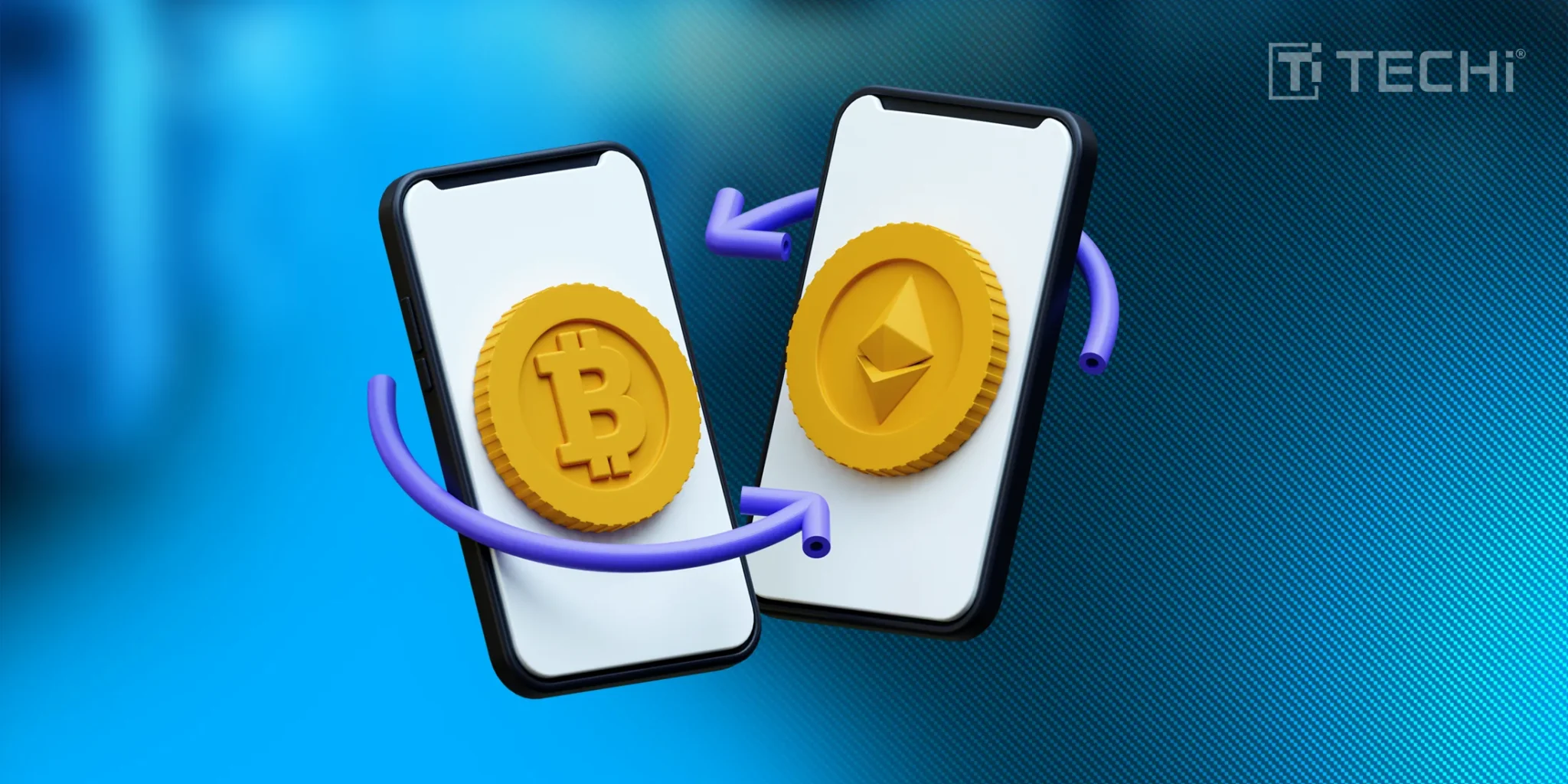
Tether (USDT) is the dollar that crypto actually uses — a stablecoin engineered to hold a 1:1 peg to the US dollar, and the most-held, most-transferred token in the market, settling more on-chain volume on a typical day than Bitcoin and Ethereum combined. But there is no single USDT. Tether issues the token natively across more than a dozen blockchains, and the three versions that account for the bulk of liquidity — ERC-20 on Ethereum, TRC-20 on Tron, and BEP-20 on BNB Smart Chain — are not directly interchangeable.
That last sentence is what turns a routine swap into a permanent loss. Send TRC-20 USDT to an address that only knows ERC-20, and the tokens are gone. No support ticket recovers them. The exchange you pick to move USDT between chains is therefore not a UX choice — it is a custody decision. Use this 5-point checklist before you swap.
Why USDT Lives on Multiple Chains in the First Place
The multi-chain structure exists for one reason: to let you optimize each transaction for speed, cost, or ecosystem compatibility. Pick the network that fits the use case, not the other way around — send everyday balances on the cheapest rail, switch to Ethereum when you need to interact with DeFi protocols, and route through BNB Smart Chain when your liquidity already sits inside the Binance ecosystem. Without a platform that lets users seamlessly swap USDT ERC20 to TRC20 and the other major pairs, you are effectively locked into one ecosystem, which caps both efficiency and opportunity.
ERC-20 USDT operates on Ethereum and is deeply integrated into decentralized finance — Uniswap, Aave, Curve — but it pays Ethereum gas. During congestion, a $20 USDT transfer can cost more than the transfer itself.
TRC-20 USDT runs on Tron and exists for one reason: fast, cheap settlement. Tron's fee model lets users move USDT for fractions of a cent, which is why exchanges and remittance corridors default to it for transfers. The trade-off is a thinner DeFi ecosystem and a more centralized validator set than Ethereum.
BEP-20 USDT runs on BNB Smart Chain and sits between the two — a balance of speed, low cost, and access to a growing ecosystem. It is the obvious choice if your trades route through PancakeSwap or anything else in the Binance orbit.
The practical takeaway: you cannot live on one chain. A user paying a Binance withdrawal in TRC-20 cannot deposit those tokens into an Ethereum-only DeFi protocol without first swapping versions. Whichever exchange handles that swap touches your full balance — which is why vetting it matters.
The 5-Point USDT Exchange Vetting Checklist
1. Native Cross-Chain Swap Support
This is the only feature on the list that is non-negotiable. A real USDT swap platform acts as a true bridge between blockchains, converting ERC-20 to TRC-20 (and the reverse, and BEP-20, and every other major version) in a single transaction, with no manual bridge step and no wrapped-asset workaround.
What to look for, specifically:
- The platform explicitly advertises USDT-to-USDT swaps across networks, not just USDT-to-other-token.
- You pick the source and destination network before confirming, with a clear display of which address format you'll be sending to.
- The quote shows the destination amount net of network fee, not just a hidden spread.
- The transaction settles in minutes, not hours. Long settlement times usually mean the platform is using a manual operator workflow under the hood.
If you find yourself stuck routing through Bitcoin or USDC to get from ERC-20 USDT to TRC-20 USDT, the platform isn't built for what you're trying to do. Move on.
2. Broad Asset Coverage and Route Depth
The same platform that handles USDT efficiently should also let you reach the rest of the market. That means support for the obvious majors — Bitcoin, Ethereum, Solana — plus the long tail of altcoins where most asymmetric returns actually come from. A wide asset base is strategic insurance: in a volatile market, the ability to rotate USDT into any major or emerging token quickly is what separates a passable platform from a serious one.
Why coverage matters beyond convenience: deep asset menus are a leading indicator of liquidity-provider relationships. An exchange that lists 1,500 assets has integrated with serious market makers; an exchange that lists 50 is either new, jurisdictionally restricted, or running a thin order book that will hand you ugly slippage on anything outside the top ten. Audit a platform's listings the way you'd audit a crypto portfolio — by chain coverage and category depth, not just headline count.
3. Competitive Fees and Execution Speed
Transaction costs and execution speed vary significantly between networks. Headline fees are the easy part — most reputable swap platforms quote 0.1% to 0.5%. The harder question is what's hiding in the spread.
Three things to check:
- Slippage on midcap pairs. Quote a $5,000 swap on a token outside the top 50. If the platform's quoted price moves more than 1% against you on a single trade, you are the liquidity.
- Network fee transparency. The platform should pass through actual chain gas costs as a separate line item, not bury them in a worse exchange rate. Cross-check the live gas price on Etherscan's gas tracker before you commit ERC-20 transfers.
- Routing optimization. A serious platform aggregates liquidity across multiple venues, picks the cheapest path automatically, and shows you why. If every swap routes through the same internal pool regardless of size, you are paying a hidden monopoly tax.
TRC-20 transfers are typically the cheapest and fastest leg you can use; ERC-20 transactions can become punitively expensive during congestion. A good platform optimizes routing to deliver the best possible rate, minimizes slippage and fees, and tells you that before you commit.
4. Security Architecture and Operational Reliability
Cross-chain swaps involve more attack surface than a same-chain trade. Funds touch hot wallets on multiple networks, oracle price feeds, and — for non-Tether-direct routes — bridge contracts. Every one of those is a published incident category, which makes security non-negotiable.
What separates serious platforms from the rest:
- Cold-storage ratio disclosure. Reputable exchanges park 90%+ of customer assets in offline storage and say so on their security page. If the number isn't published, assume it's zero.
- Independent security audits. Look for reports from firms like Trail of Bits, CertiK, or Halborn — not just the firm's logo on a marketing page.
- Robust risk management and liquidity aggregation. The platform should integrate live risk controls, deep liquidity aggregation across venues, and transparent transaction processing — every leg of the trade should be auditable, not buried inside a black-box quote.
- Insurance or asset-protection funds. Binance's SAFU and Coinbase's crime insurance are the templates here. Coverage caps and exclusions vary enormously; read the fine print.
- Operational track record. No outages during the last three major volatility events. No "we paused withdrawals" announcements in the last 18 months.
If you're holding meaningful size on the platform between swaps, pair platform vetting with self-custody for any balance you don't actively need on the exchange.
5. Regulatory Transparency and Team Disclosure
This is the test that filters out a surprising number of "swap platforms" that pass the other four. Ask three questions:
- Who runs it? A founder name, a corporate registration, a physical address. Anonymous teams in non-disclosed jurisdictions are a defensible choice for a privacy tool — and a bad sign for a custodian.
- What is the regulatory posture? Registration with FinCEN in the US, the FCA in the UK, MAS in Singapore, or MiCA compliance in the EU is not a guarantee of safety, but it does mean someone has done basic KYC and capital-adequacy work. The GENIUS Act and parallel EU stablecoin rules are about to make this a hard requirement for any platform handling meaningful USDT flow.
- What is the audit cadence? Proof of reserves should be published quarterly at minimum, and the underlying methodology — Merkle-tree user inclusion, not just a self-reported balance — should be documented.
Platforms that score well on points 1–4 but fail point 5 are usually fine for small, fast trades. They are not fine for parking liquidity.
Beyond Swaps: Expanding What a USDT Exchange Can Do
A truly comprehensive exchange platform goes beyond simple swaps. It should let you buy and sell the full range of listed cryptocurrencies, including the lesser-known tokens that often carry the highest growth potential — access to early-stage and niche assets is where meaningful portfolio diversification actually shows up. Two trends matter most right now:
Tokenized real-world assets (RWAs). Modern platforms are beginning to support swaps between cryptocurrencies and tokenized real-world assets — tokenized stocks, ETFs, and US Treasuries. BlackRock's BUIDL fund and Ondo Finance have pushed tokenized Treasuries past several billion dollars in TVL, and several swap platforms now let you rotate USDT directly into tokenized T-bills, equity wrappers, and ETF exposures. This bridges traditional finance and crypto and opens new avenues for capital allocation — particularly for stablecoin holders sitting on idle balances. Circle's USDC growth story is the cleanest read-through on why this matters.
Unlocking opportunities in emerging tokens. A versatile exchange also doubles as a discovery layer — the ability to find and invest in new projects early. Long-tail listings — emerging Layer-2 governance tokens, AI-coin micro-caps, and RWA infrastructure plays — are where outsized returns live. Users looking to buy Plato crypto or similar emerging assets benefit from platforms that combine a deep listing menu with instant-swap functionality; the friction normally associated with accessing smaller-cap tokens largely disappears. The same depth-of-liquidity caveats from point 3 apply: discovery without slippage discipline is just slow bleeding.
Pitfalls to Avoid Before You Make Your First Swap
A short list of things that catch experienced users:
- Always test with a small amount first. Five dollars, one transaction, full round trip. Confirm the address format on the receiving wallet matches the network you've selected.
- Don't bridge during peak congestion. Ethereum gas spikes during major market moves; quoted fees become quoted-and-then-something-else by the time the transaction lands.
- Verify the destination network in two places. Once in the exchange UI, once on the receiving wallet. ERC-20 addresses (
0x…) and TRC-20 addresses (T…) look different; BEP-20 uses the same0x…format as Ethereum, which is the most common source of cross-network mistakes. - Watch the regulatory calendar. US and EU stablecoin rules are tightening; platforms that don't adapt will start delisting USDT pairs or restricting users with little notice.
The Bottom Line
Choosing the ideal platform to swap USDT comes down to a short list of structural questions: does it support genuine cross-chain conversion across ERC-20, TRC-20, and BEP-20; does it route deeply enough to give you real prices and real asset coverage; is it audited, regulated, and operated transparently; and does it grow with the rest of your portfolio into RWAs, tokenized equities, and emerging tokens?
In a rapidly evolving crypto landscape, flexibility is not a nice-to-have — it is the feature. Run this 5-point checklist before your next swap. Spend an hour doing it once and you avoid the kind of mistake that no support team can undo.
FAQ
Frequently asked questions
What is the difference between USDT ERC-20, TRC-20, and BEP-20?
They are the same Tether-issued stablecoin running on different blockchains — Ethereum (ERC-20), Tron (TRC-20), and BNB Smart Chain (BEP-20). Balances on different networks are not interchangeable. Sending one version to an address on a different network typically results in a permanent loss of funds.
Which USDT network is the cheapest to use?
TRC-20 on Tron is consistently the cheapest for transfers, often fractions of a cent. BEP-20 on BNB Smart Chain is also low-cost. ERC-20 on Ethereum is the most expensive, especially during periods of network congestion when a single USDT transfer can cost $10–$20 in gas.
Can I swap USDT directly between networks?
Yes — on platforms that support native cross-chain swaps. The transaction converts ERC-20 to TRC-20 (or any other major version) in a single step, with no manual bridge step and no wrapped-asset workaround. If a platform forces you to route through Bitcoin or USDC to convert between USDT networks, it does not offer native cross-chain swap support.
How do I know if a USDT exchange is safe?
Check four things: a published cold-storage ratio (90%+ of customer assets offline), independent security audits from firms like Trail of Bits, CertiK, or Halborn, regulatory registration with FinCEN, the FCA, MAS, or MiCA compliance, and quarterly proof-of-reserves reports that use Merkle-tree user-inclusion methodology rather than self-reported balances.
Why does TECHi keep this guide out of Google News?
Vetting guides like this one are evergreen reference content, not breaking news. Excluding them from the news sitemap keeps the Google News surface focused on time-sensitive market and policy coverage while leaving the guide fully indexable in regular Google Search.
Disclaimer
This article is for informational purposes only and does not constitute financial, investment, tax, or legal advice. Market data, tax rules, and prices can change after the article date. TECHi and its authors may hold positions in securities or digital assets mentioned. Always conduct your own research and consult a licensed financial, tax, or legal professional before making decisions.
About the Author

Muhammad Saqib has written for TECHi on crypto prices and AI infrastructure companies, including why CoreWeave's $99 billion backlog faces a debt test, a NetApp earnings preview centred on AI storage demand and why Dogecoin's price trends still matter to crypto investors.


Comments