Apollo finds no broad AI payoff: NVDA stock forecast before earnings
Apollo sees little AI payoff beyond big tech. TECHi finds Nvidia’s EPS estimate held steady while NVDA’s forward multiple fell 6%, then maps conditional prices before earnings.
Where capital meets conviction
Real-time analysis of public equities, sector rotations, and the macro tape — built for investors who need depth, not headlines.
1,761 stories · Page 1 of 74
Apollo sees little AI payoff beyond big tech. TECHi finds Nvidia’s EPS estimate held steady while NVDA’s forward multiple fell 6%, then maps conditional prices before earnings.

Teck’s Highland Valley strike has reduced output. Our TECK stock forecast calculates the mine’s profit exposure and tests how strike duration could affect guidance.
Amgen stock forecast after its IMDELLTRA trial: an original valuation calculation tests what a 10% gain would require from earnings, expectations and approval.
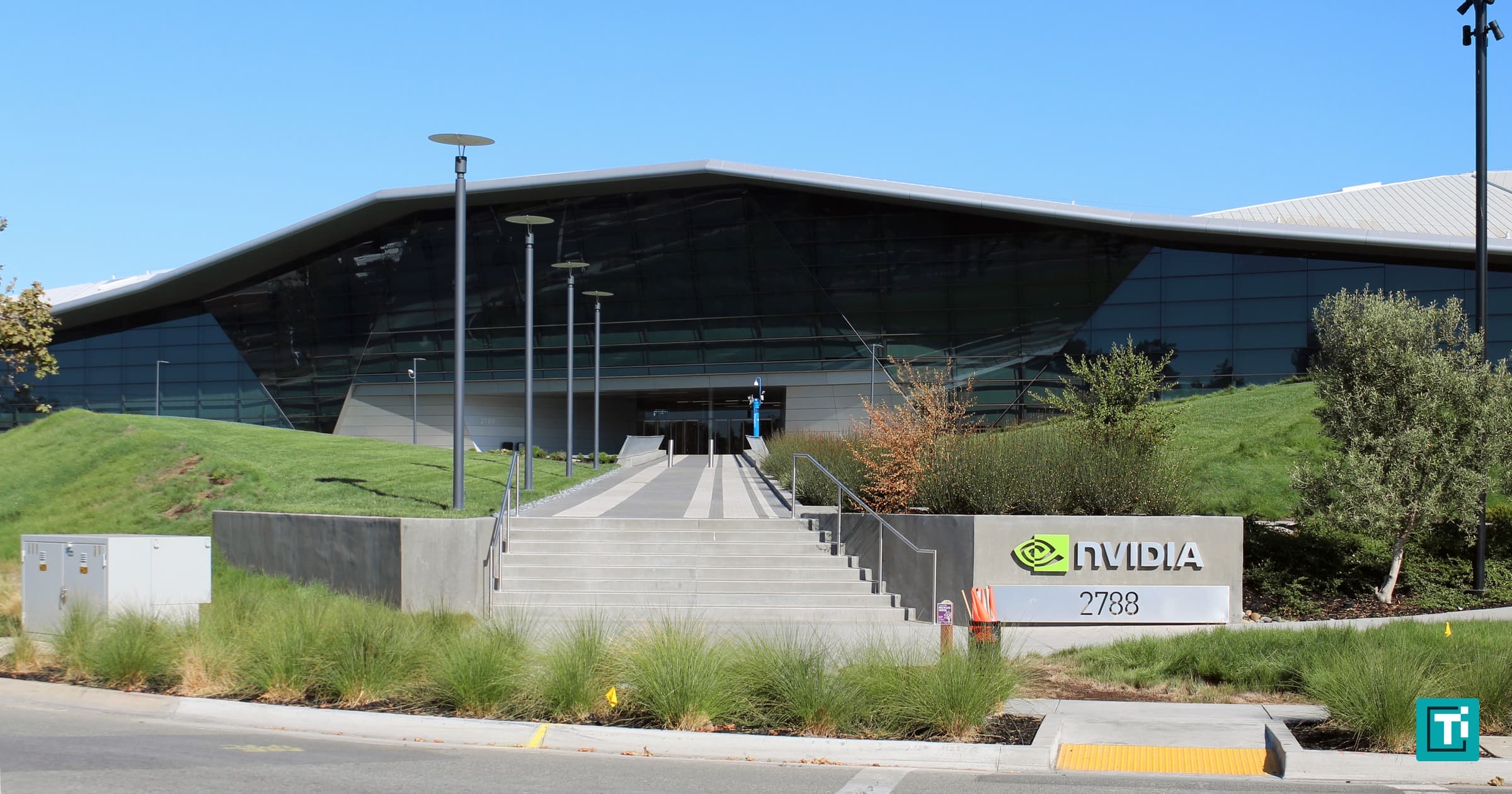
Nvidia’s GTC Berlin expansion meets fresh pressure over AI funding, energy costs and the evidence investors need from the next earnings cycle.
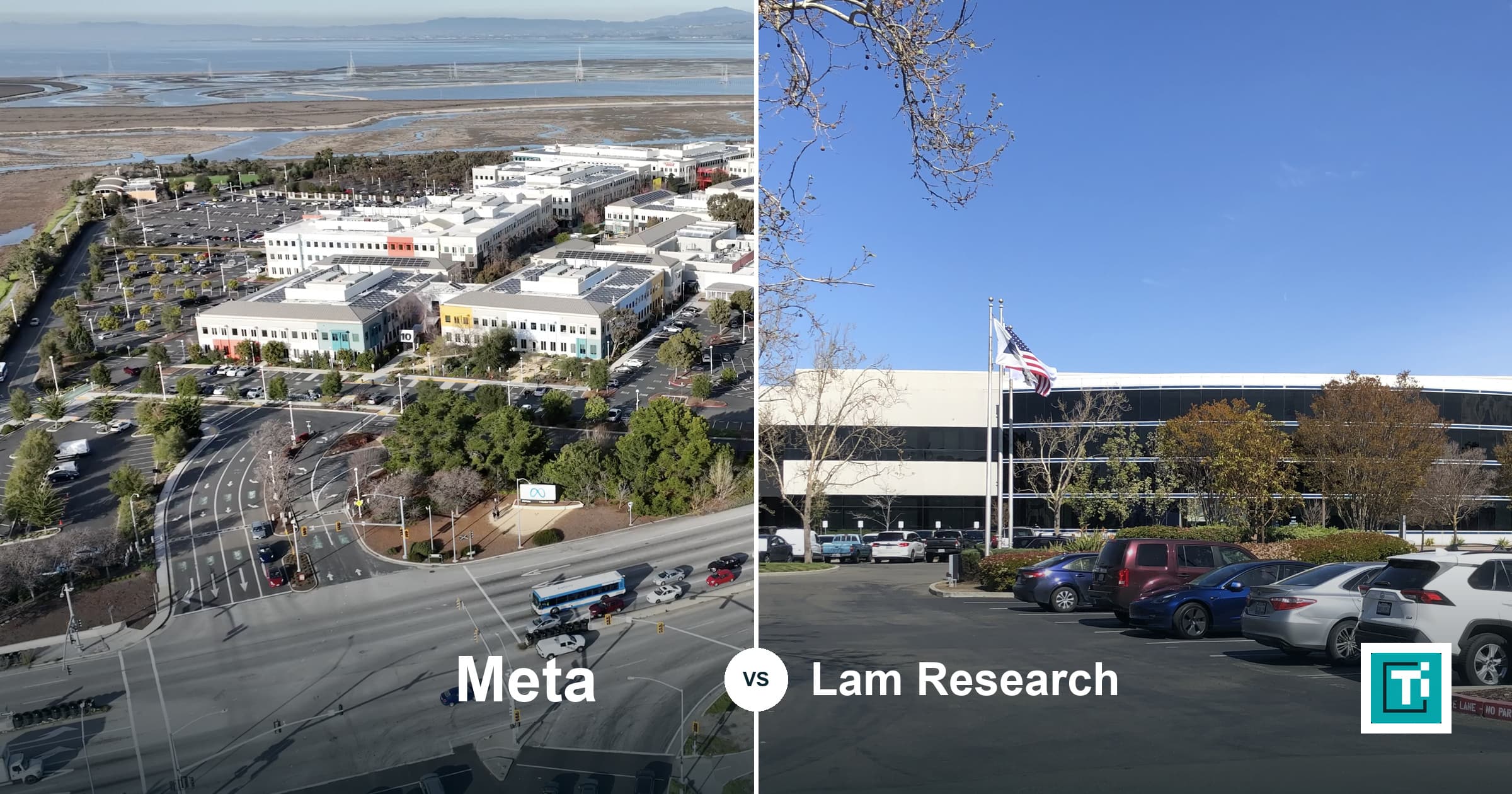
Meta’s investment bill exceeded operating cash flow. Lam had cash left after capital spending but said supply constraints limited its December-quarter outlook.
Spotify Q3 2026 results: 306M premium subscribers beat guidance, revenue €4.97B, operating income €672M. Q4 guide implies 64% incremental margin.
Meta Q3 revenue rose 26% to $64.6B, beating estimates as ad prices climbed 14%. A $9.89B legal charge cut EPS to $3.83 ($7.40 ex-charge); capex raised to $135-145B.
SpaceX's first quarterly profit was $4.4 billion as AI revenue overtook Starlink. TECHi decomposes the profit and the $19.6B capex bill beneath it.
Netflix Q3 2026 operating profit rose 15% on the tougher Brazil-adjusted test, but a $300M ad forecast cut and soft Q4 guidance sank the stock.
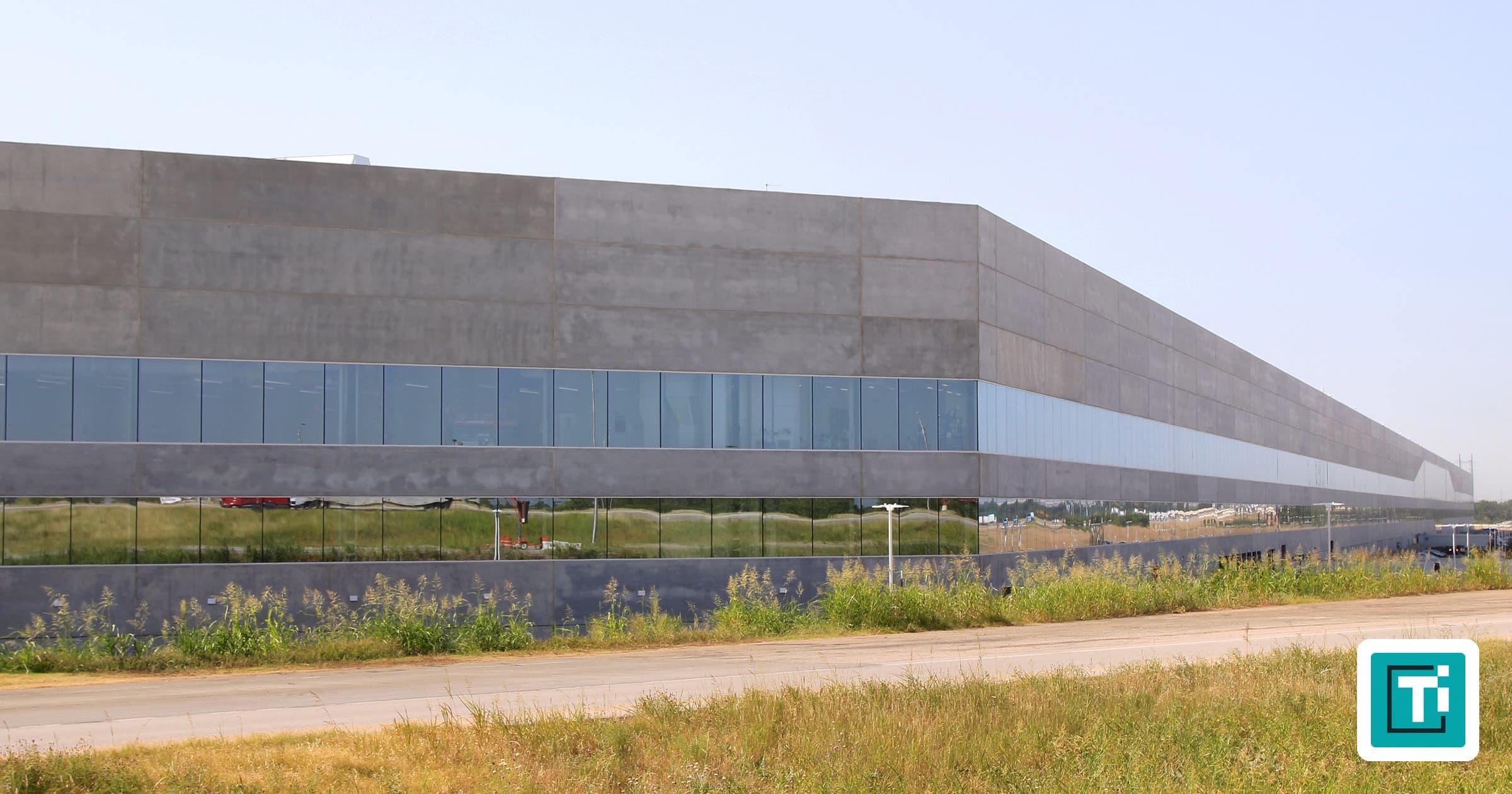
Tesla's third quarter delivered the cash result almost nobody forecast — positive free cash flow of $1.53 billion — while operating profit fell 56% as AI and robotics spending climbed 39%. The shares still fell after hours, because the call that followed cut the spending plan and pushed out the robot timeline.
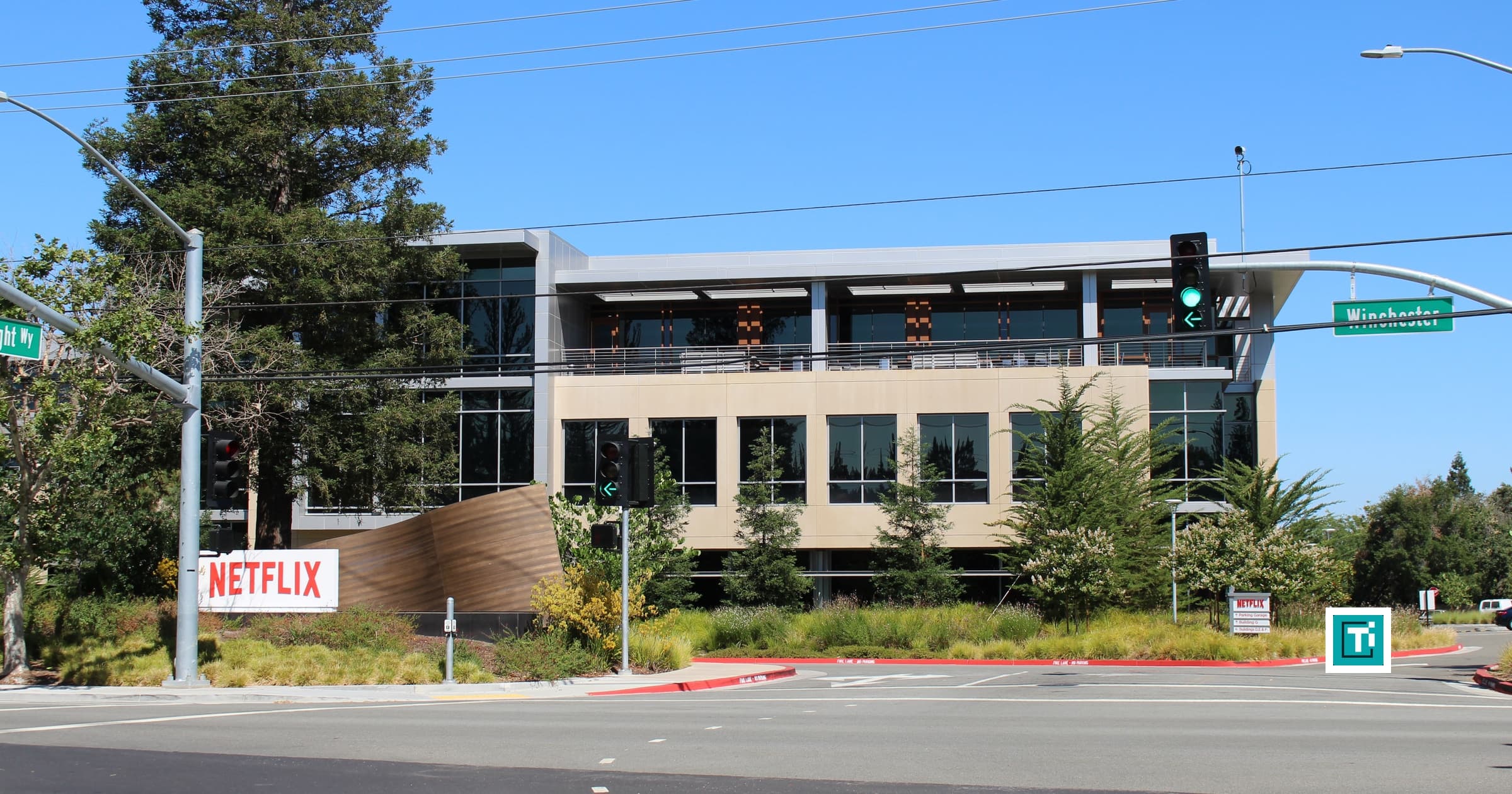
October 20 preview of Netflix's $619M Brazil-tax profit comparison, now updated with reported Q3 results and a link to TECHi's results analysis.

ARK’s 2031 forecast rests on a dramatic shift toward autonomous transport. The valuation makes robotaxi economics the crucial test for Tesla’s next chapter.
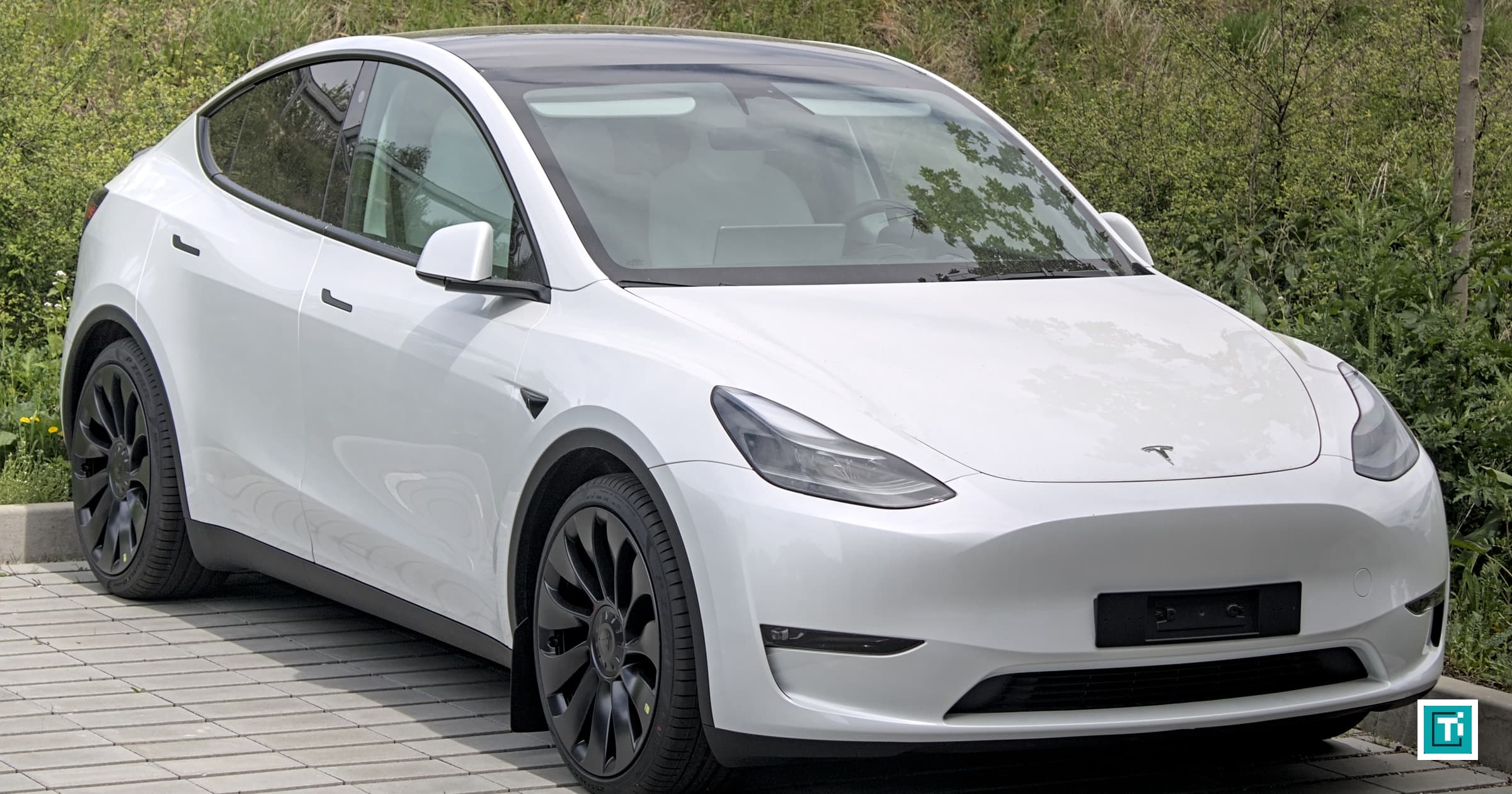
Before Tesla's Oct. 21 Q3 results, analysts projected a $4.506B free-cash-flow deficit. Actual FCF was +$1.531B; see the linked results report.

Zions’ Q3 EPS rose 20%, but adjusted pre-provision revenue fell 4%. A $57 million credit-cost swing raises the question of how durable earnings growth is.

MSCI finalized its non-operating rule on Oct. 15. TECHi tests Strategy's filings against its five screens and sizes the index selling at stake before the Nov. 11 list.
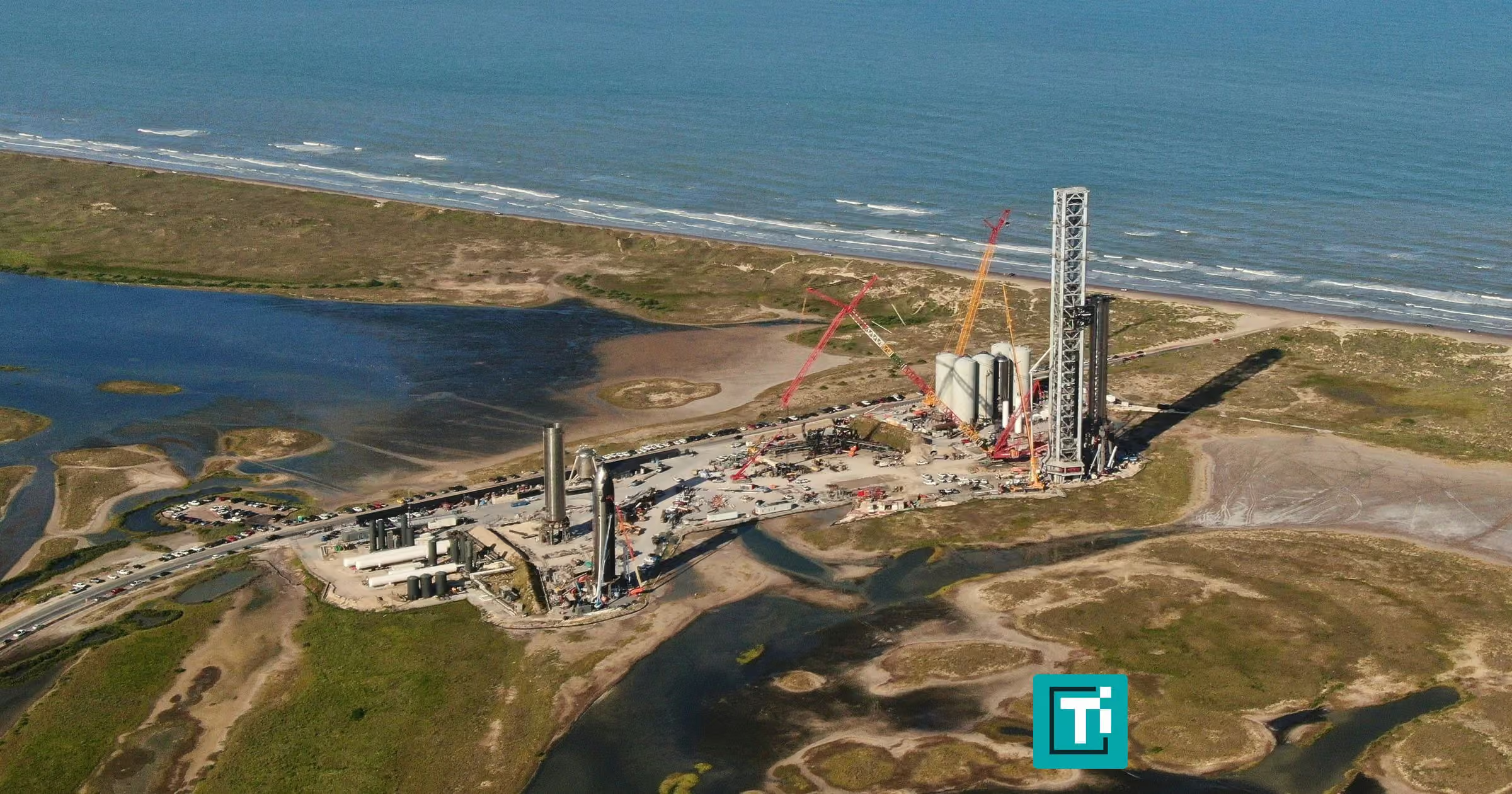
This Oct. 17 SpaceX Q3 preview sets the Q2 bar, Cursor timing and share-count test. Updated with a link to the Oct. 20 results.
The Philadelphia Semiconductor Index lost 3.83% Friday and is down 15.7% in eight sessions. TECHi ranks which chip stocks fell most and what followed past streaks.
Exascale shares jumped 73% after an $8.2 million GPU deal. The filed contract reveals deposit, delivery and profit questions the rally cannot answer.
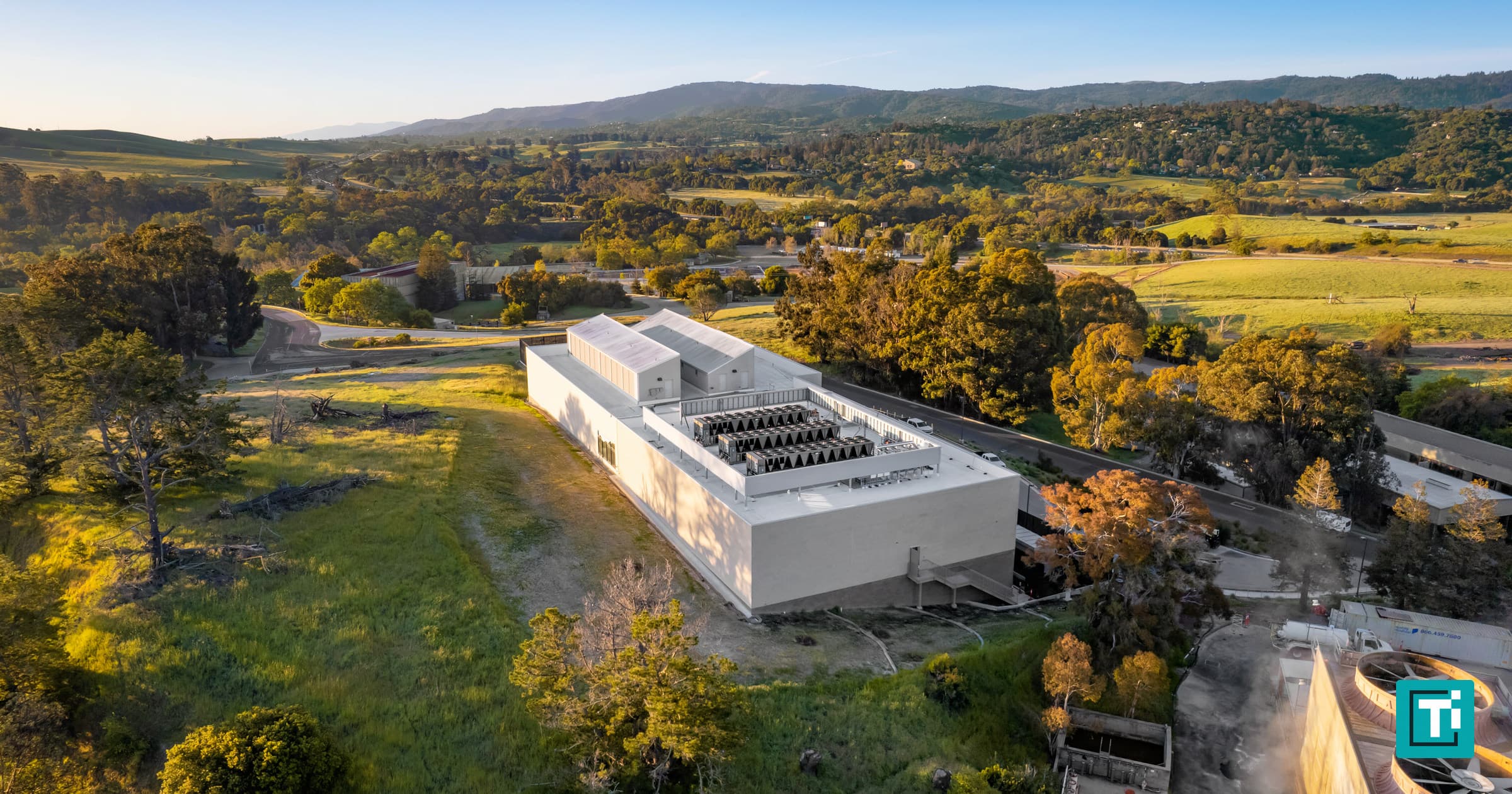
Nebius shares fell nearly 12% Friday. Its filings show why customer prepayments, cash flow and data-center spending matter more than the selloff alone.
CoreWeave shares slid over 11% as bond yields raised a sharper question: can its $104 billion backlog fund AI capacity and leave returns for shareholders?
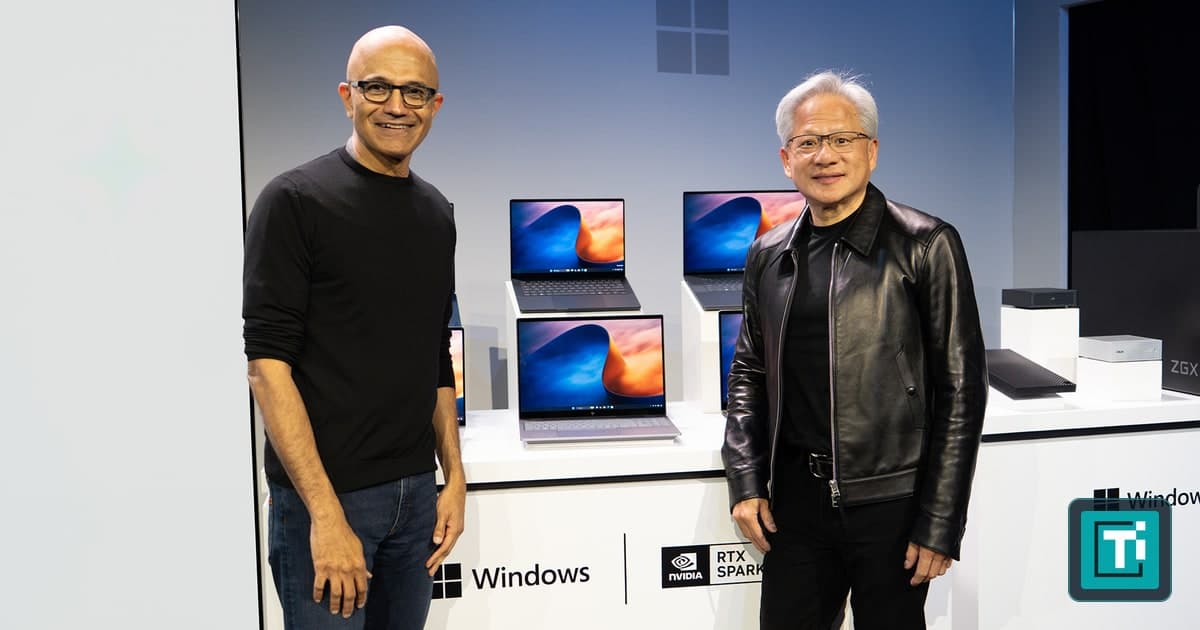
The CMA’s proposed Microsoft designation puts Copilot bundling, interoperability and enterprise switching costs under a new UK competition lens.
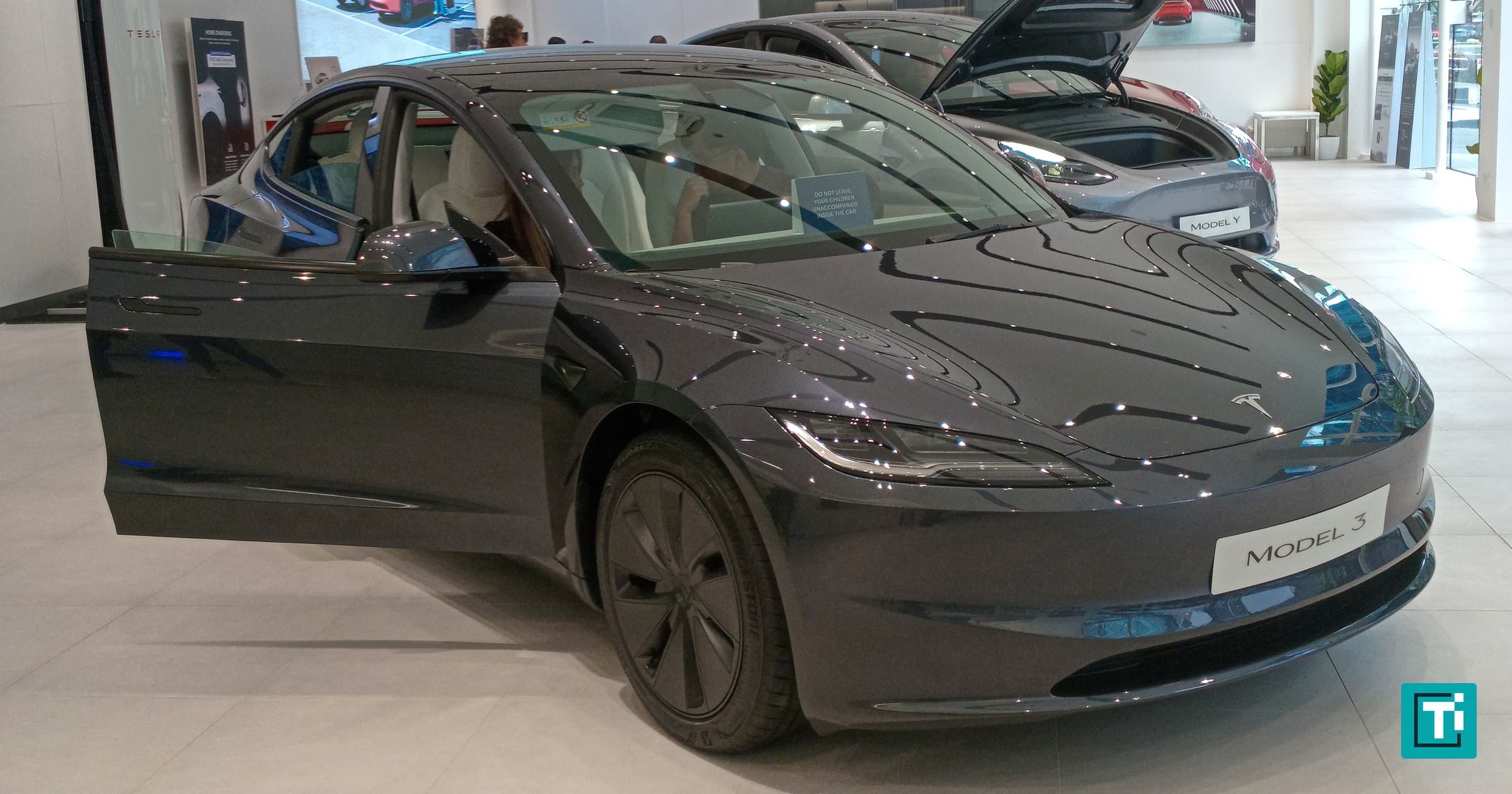
Tesla FSD won approval in Slovakia, but rollout timing and paid uptake remain unknown. TECHi examines the subscription math ahead of October 21 earnings.
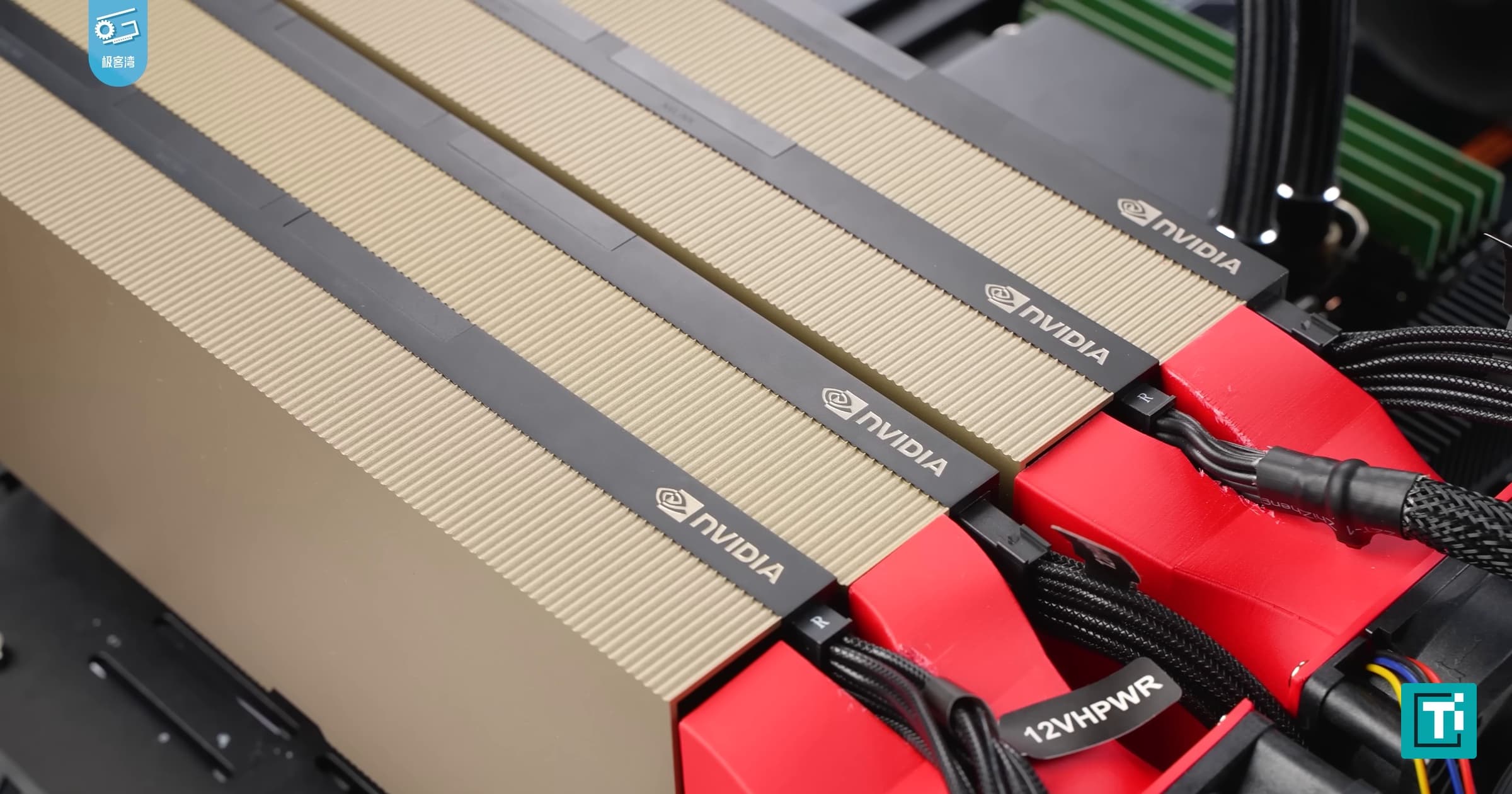
Zesty’s new GPU-sharing tool could delay hardware purchases while lowering AI costs. TECHi examines the demand math and the deployment limits for Nvidia.
Rambus’s new LPDDR6 power chip expands its AI-memory lineup. Its earlier outlook points to a larger product business with different profit-margin economics.