



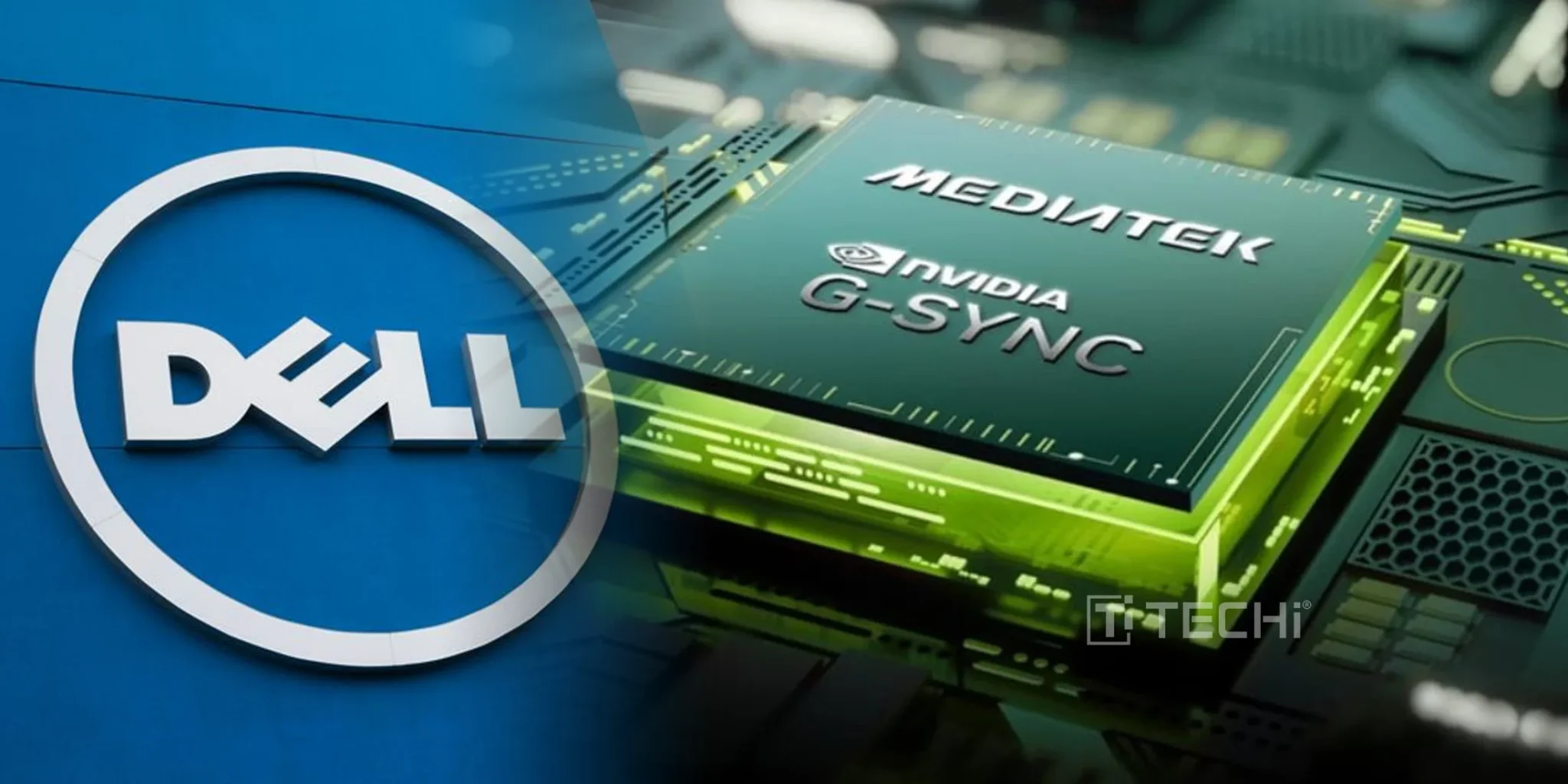
As tech companies are racing to lead the AI boom, Dell introduced a new line of servers to meet the imminent and immense computational requirements of next-generation AI systems. These latest systems are both available in air-cooled and liquid-cooled configurations, powered by Nvidia’s Blackwell Ultra chips.
Dell's Latest Server Features
The newly launched Dell Server has the following advanced features
- Capable of supporting up to 192 Blackwell Ultra GPUs
- Accommodate a maximum of 256 GPUs after alteration
- Train AI models up to four times faster than previous models
High Prices, Low-Profit Margin
According to Arthur Lewis, President of Dell’s Infrastructure Solutions Group, the high cost of the new AI-based servers may impact the profit margin.
Although Dell and Super Micro Computer have capitalized on the increasing demand for high-performance servers, the huge production costs and intense market competition are putting pressure on profit margins.
Dell is also expecting a reduction in its adjusted gross margin rate for the upcoming fiscal year 2026. Moreover, Super Micro also recently forecasted fourth-quarter revenue below expectations, mentioning tariff-related economic uncertainty as a key factor affecting its performance.
Dell’s Upcoming AI Projects
Dell is strategically shifting focus to boost sales of its networking and storage products. The company is also looking for Nvidia’s forthcoming Vera Rubin CPUs, set to succeed the current Grace server processors. In addition, Dell also recently launched its 'Pro Max Plus' laptop, purpose-built for AI development.
Disclaimer
This article is for informational purposes only and does not constitute financial, investment, tax, or legal advice. Market data, tax rules, and prices can change after the article date. TECHi and its authors may hold positions in securities or digital assets mentioned. Always conduct your own research and consult a licensed financial, tax, or legal professional before making decisions.
About the Author

Naba Fatima covers AI models and the software that keeps chip demand locked in. She has written about Kimi K3's low API pricing and missing open weights, Qualcomm's $3.9 billion move against Nvidia's CUDA ecosystem and Nvidia's context-memory advantage in AI data centers.
Comments